
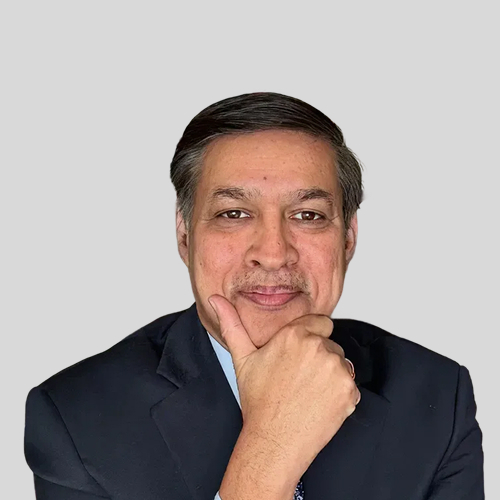
Dr. Mirajul H. Kazi, popularly known as “Kazi”, is a translational research scientist specializing in cell and molecular physiology, focusing on gastrointestinal, renal, respiratory, diseases. His work is recognized for elucidating how dysregulation in epithelial transport proteins contributes to systemic diseases (hyperuricemia, metabolic, sterile inflammation). Dr. Kazi’s multidisciplinary research spans gene discovery, animal models, and clinical-translational studies, contributing significantly to the understanding of epithelial linked disease and its progression. Most notably, Dr. Kazi is recognized as the first scientist to elucidate how genetic defects in intestinal urate transport can lead to chronic hyperuricemia, ultimately resulting in metabolic diseases. This groundbreaking discovery provides valuable insights into the genetic and physiological mechanisms underlying these complex conditions
Currently, Dr. Kazi is an Associate Scientist at Catalent Pharma, where he is interested and applies his expertise to optimize and accelerate various analytical methods to fit for purpose for the cell & gene therapy(CGT) industry. His career reflects a deep commitment to advancing biomedical science and translating discovery into therapeutic innovation.
Dr. Subhra Chakraborty is an accomplished researcher and educator specializing in infectious diseases, vaccine development, diagnostics, and epidemiology. She leads the Enteric Vaccines and Immunology Laboratory at Johns Hopkins University, focusing on reducing morbidity and mortality from infectious diseases, particularly in low- and middle-income countries. Her research spans the epidemiology of enteric pathogens, immunity from natural infections, development of diagnostic tools for resource-limited settings, and the impact of environmental and climate factors on disease transmission and antimicrobial resistance.
Dr. Chakraborty has extensive experience in vaccine immunology, including evaluating candidate vaccines for enteric diseases such as ETEC, Shigella, and Campylobacter through experimental human challenge models. She also investigates host factors, including the gut microbiome, that influence disease severity and vaccine efficacy. Her innovative contributions include the development of rapid diagnostic tools for infectious diseases, such as the RLDT platform, and multiplex assays for enteric pathogens and cytokines. Dr. Chakraborty has published extensively in peer-reviewed journals and presented her findings at international conferences. Currently, Dr. Chakraborty serves as an associate professor, in the Department of International Health at the Bloomberg School of Public Health, Johns Hopkins University, Baltimore, MD, USA.
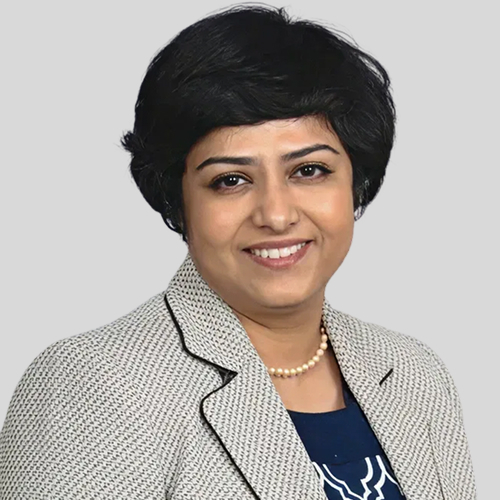
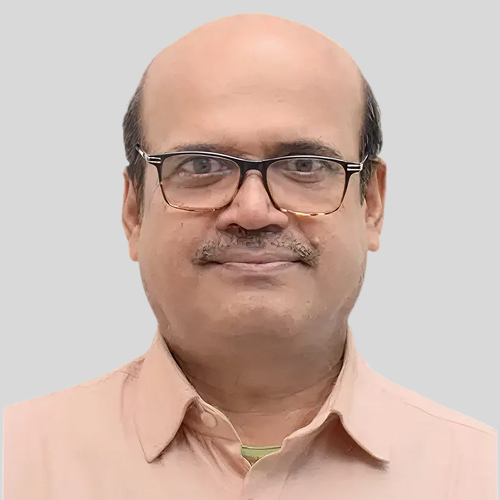
Dr. Saijuddin Shaikh is a Public Health Nutrition specialist with more than 25 years of leadership experience in nutrition research, community-based health interventions, and evidence-informed policy development. Dr. Shaikh’s work focuses on improving maternal and child nutrition, addressing macro- and micronutrient deficiencies, and tackling the rising burden of diet-related non-communicable diseases. His expertise encompasses nutrition epidemiology, body composition assessment, community-based survey design, randomized controlled trials (RCTs), and advanced statistical analysis. He has contributed to major research initiatives, program evaluations, and training programs aimed at strengthening nutrition service delivery across diverse populations. His international experience includes work in the USA, Thailand, Bangladesh, and India.
Dr. Mondal, is a translational neuroscientist specializing in cellular and molecular neurobiology, focusing on molecular mechanisms and novel therapeutic intervention against Alzheimer’s disease (AD), Parkinson’s, disease (PD), and depression. His work is recognized for elucidating how polyphenols, small molecules alleviate the progress of AD, PD severity and its hallmarks deploying pre-clinical model systems. Dr. Mondal’s multidisciplinary research spans animal models, and clinical-translational studies, contributing significantly to the understanding the diseases and its progression.
Currently, Dr. Mondal is a tenure track Professor of Cellular & Molecular Neurobiology at Jawaharlal Nehru University, New Delhi, (Rank-1 public university in India), where he is interested and applies his expertise to screen therapeutic potential of polyphenols, small molecules to optimize and accelerate various analytical methods to develop novel drugs. His career reflects a deep commitment to advancing biomedical science and translating discovery into therapeutic innovation.
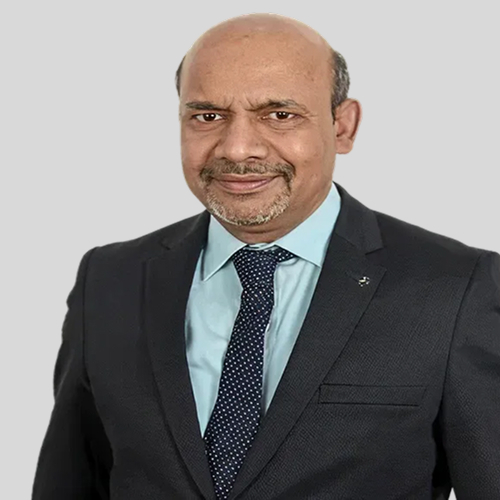
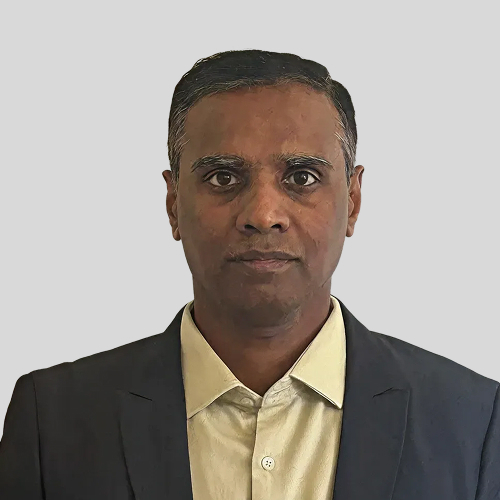
Dr. Nagesh Pasupala, MS, Ph.D., is an accomplished scientist specializing in molecular and cell biology with over 17 years of laboratory experience. Nagesh Pasupala has contributed to leading research institutions including the Uniformed Services University of the Health Sciences, Johns Hopkins University, and the College of William and Mary. Nagesh Pasupala’s expertise spans molecular genetics, microbiology, and biochemistry, with advanced skills in mammalian and yeast cell culture, genetic engineering (CRISPR-Cas9, viral vectors), gene expression analysis, and bioinformatics.
Throughout Nagesh Pasupala’s career, Nagesh Pasupala has investigated the molecular mechanisms underlying cancer and viral diseases, published in high-impact journals, and presented research at national and international conferences. Nagesh Pasupala is recognized for innovative problem-solving, leadership in laboratory operations, and mentoring emerging scientists. He is currently a scientist at Catalent Pharma, Baltimore, MD, USA.
Dr. Irshad Ali Sheikh(Ali) is a Research Scientist III at the University of Arizona, specializing in biotechnology and microbiology. With a Ph.D. from the University of Calcutta, Irshad Ali Sheikh has built a career focused on the molecular mechanisms underlying gastrointestinal diseases, ion channel function, and bone formation during chronic inflammation. Currently, Irshad Ali Sheikh is exploring how the gut microbiota interacts with PARP1-mediated PARylation to influence the development and progression of IBD. Using PARP1 knockout mice, his research aims to uncover protective mechanisms against experimental colitis and identify new molecular targets for treating inflammation. By identifying molecular targets, their work aims to advance treatments for IBD, diarrhea, and inflammation-related osteoporosis, ultimately improving patient outcomes.
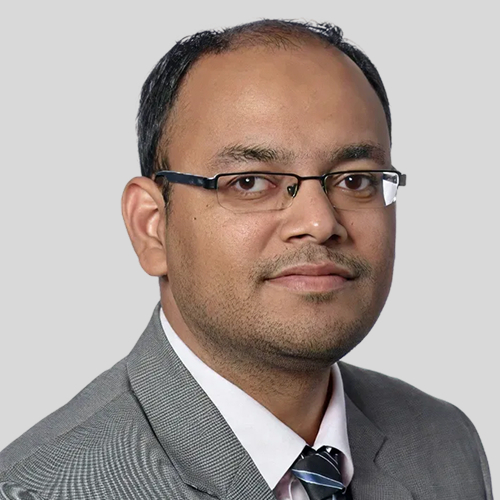

Dr. Aishik Chakraborty is an Assistant Professor of Chemical & Industrial Processes Engineering at Bahrain Polytechnic, a government engineering institution in the Kingdom of Bahrain. He holds M.S. and Ph.D. degrees in Chemical Engineering from the University of Kansas, USA, and has postdoctoral research experience in biomaterials and drug-delivery systems from the University of Western Ontario, Canada. His work sits at the intersection of chemical engineering, nanotechnology, and biomanufacturing, with expertise in the design of functional biomaterials for advanced therapeutic applications.
Dr. Chakraborty’s research emphasizes 3D bioprinting as a biomanufacturing strategy for creating hydrogel-based and nanoparticle-integrated constructs. He has published in leading journals including ACS Applied Materials & Interfaces, Advanced Healthcare Materials, and Advanced Functional Materials. His current research interests focus on the development and tailoring of biomaterial systems for cell support, controlled therapeutic delivery, and engineered biological environments, with ongoing work exploring structure–function relationships in printed biomaterials and their potential biomedical applications.
Dr. Joydeep Aoun is an Assistant Professor in the Department of Biochemistry at the Central University of Rajasthan, with extensive research and teaching experience in molecular biochemistry, electrophysiology, and membrane transport. Dr. Aoun holds a Ph.D. in Biochemistry from the University of Calcutta, where groundbreaking research led to the discovery of novel mechanisms in secretory diarrhea and the identification of universal antidiarrheal therapies.
With postdoctoral training at the National Institutes of Health (NIH) and the University of Nevada, Reno, Dr. Aoun has contributed to major advances in epithelial signaling, ion transport, and the regulation of membrane contact sites in health and disease. Their research has been published in leading journals such as JBC, JGP, and AJP, and cited over 100 times by field experts.
Technical expertise includes patch clamp electrophysiology, advanced imaging techniques, protein biochemistry, and animal models of gastrointestinal diseases. Dr. Aoun has led and collaborated on projects funded by NIH and ICMR, focusing on the role of ion channels and signaling pathways in epithelial and smooth muscle physiology, as well as the impact of exocrine secretion on the gut microbiome and innate immunity. Dr. Aoun continues to advance scientific knowledge and seeks opportunities to share expertise in cellular biochemistry and electrophysiology.
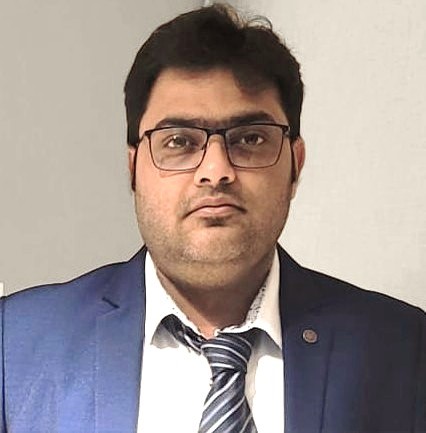

Dr. Paramita Sarkar is a physiologist and molecular biologist whose research focuses on the molecular mechanisms that regulate epithelial ion and fluid transport in health and disease. His work centers on understanding how ion channels and transporters—particularly CFTR and key bicarbonate transporters—are controlled by lipid signalling, Ca²⁺ dynamics, and cAMP pathways at the plasma membrane.
She completed his PhD in Physiology studying how epithelial ion transport and tight‑junction signalling maintain barrier integrity during enteric infections such as Shigellosis. This work included developing zinc‑based therapeutic strategies to restore claudin‑dependent barrier function in acute inflammatory diarrheal disease.
During his postdoctoral training, Dr. Sarkar investigated how ER–plasma membrane lipid nanodomains regulate CFTR and NBCe1‑B through phosphatidylserine‑dependent signalling. She further defined how E‑Syt3–ORP5–mediated lipid–transporter crosstalk shapes epithelial fluid and bicarbonate secretion in salivary and pancreatic ducts.
Her current research explores how Ca²⁺ and cAMP signalling converge at ER–PM junctions to coordinate lipid transfer processes—such as PIP₂ and PI4P dynamics—that are essential for ion channel gating, transporter function, and epithelial secretion. By integrating whole‑cell patch‑clamp electrophysiology with advanced imaging and molecular approaches, his lab aims to map the signalling networks that govern epithelial physiology and to uncover how their dysregulation contributes to diseases including Sjögren’s Syndrome, cystic fibrosis, and pancreatitis. Her recent publication in EMBO provide a framework for understanding the role of junctional lipids in the assembly of functional ion protein complexes and cellular communication at epithelial signaling hubs.
Tultul Saha, Ph.D. is a biomedical researcher specializing in intestinal organoids, stem cell biology, and molecular physiology, with a strong focus on mechanisms underlying inflammatory bowel disease (IBD) and epithelial ion transport. She brings extensive experience in patient derived organoid systems, electrophysiology, molecular biology, and advanced imaging, supported by a track record of contributions to European Commission, NIH, and DFG funded projects.
Her work spans the development of complex organoid models, discovery of ion channel modulators, and investigation of epithelial barrier function. She has presented at major international conferences—including NeuroGASTRO, DDW, CRS BioBarriers, and ENS—and has published in respected journals such as Inflammatory Bowel Diseases, Pharmacology & Biology, and AJP GI.
Dr. Saha’s research integrates multidisciplinary collaboration, protocol innovation, and scientific communication, advancing therapeutic insights at the intersection of gastrointestinal physiology and disease.

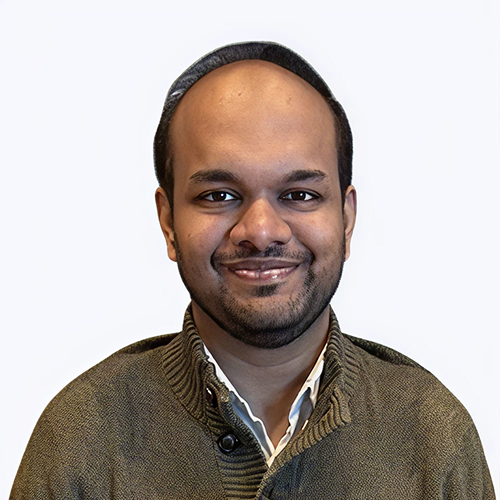
Ganesh Ram is a digital health and commercial strategy leader with 14+ years of experience transforming how life sciences organizations engage customers, leverage data, and scale digital platforms. He specializes in modernizing commercial ecosystems, operationalizing AIdriven decision intelligence, and building digital capabilities that accelerate growth across biopharma, diagnostics, and healthtech environments.
Ganesh led enterpriselevel digital transformation initiatives at Thermo Fisher Scientific that unify customer experience, analytics, and commercial execution and has driven in global engagement through AIenabled personalization, platform modernization, and datadriven decision systems.
He built and scaled digital marketing and customer experience functions at Hunter Associates Laboratory, delivering 37% revenue growth, 45% increase in company valuation, and significant gains in lead quality and conversion. His earlier consulting experience at Deloitte, Apple, and Xilinx strengthened my foundation in enterprise MarTech, omnichannel strategy, CMS migrations, and global content operations.
Ganesh brings a unique blend of commercial strategy, digital innovation, and crossfunctional leadership, helping life sciences organizations adopt scalable digital solutions that improve customer journeys, enhance scientific access, and support business growth.
Dr. Tanaya Chatterjee is an accomplished biomedical research scientist with extensive experience leading Department of Science and Technology (DST), Government of India–funded projects as a Principal Investigator. She is currently a DST WIDUSHI Senior Scientist at Bose Institute, Kolkata, where her research focuses on neurodegenerative disease mechanisms, particularly amyloid-β (Aβ42) pathogenesis and its mitigation by repair enzymes.
Her expertise lies in protein–protein, protein–peptide, and protein–nanoparticle interactions, supported by advanced biophysical characterization techniques including fluorescence spectroscopy, isothermal titration calorimetry (ITC), circular dichroism (CD), dynamic light scattering (DLS), and surface plasmon resonance (SPR). She has a strong track record in experimental design, troubleshooting, and mechanistic data interpretation.
Dr. Chatterjee also brings notable experience in infectious disease research, having conducted detailed structural and functional studies on Vibrio cholerae virulence proteins, including Accessory Cholera Enterotoxin (Ace) and ToxR. Her work demonstrated how gold nanoparticles alter toxin structure and function, with findings validated in mouse models.
She has authored multiple high-impact peer-reviewed publications in journals such as Biochemistry, ACS Chemical Neuroscience, Biochimica et Biophysica Acta, and Colloids and Surfaces B, reflecting her strengths in translational biochemistry, neurobiology, and pathogen biology.